Expert gardeners for Lloyd Park homes in Walthamstow
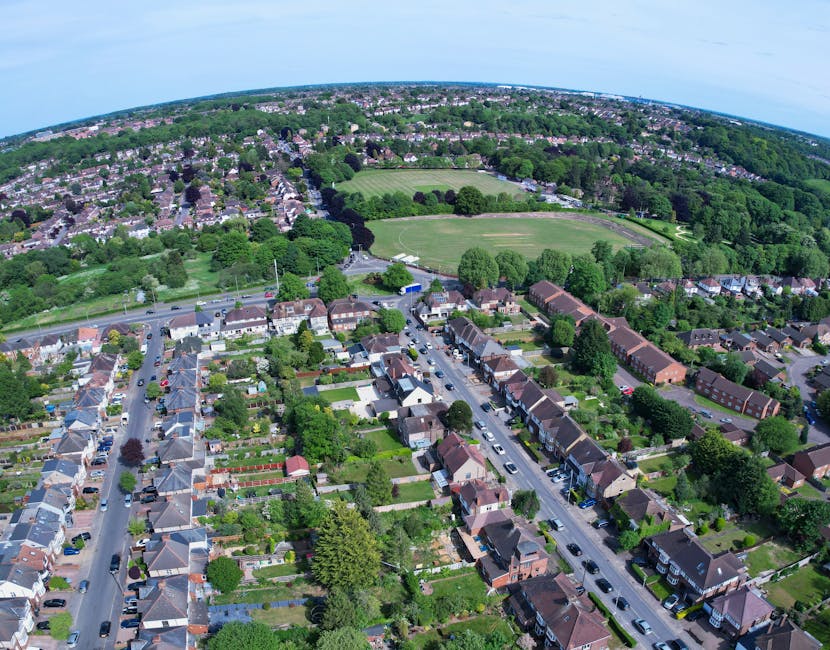
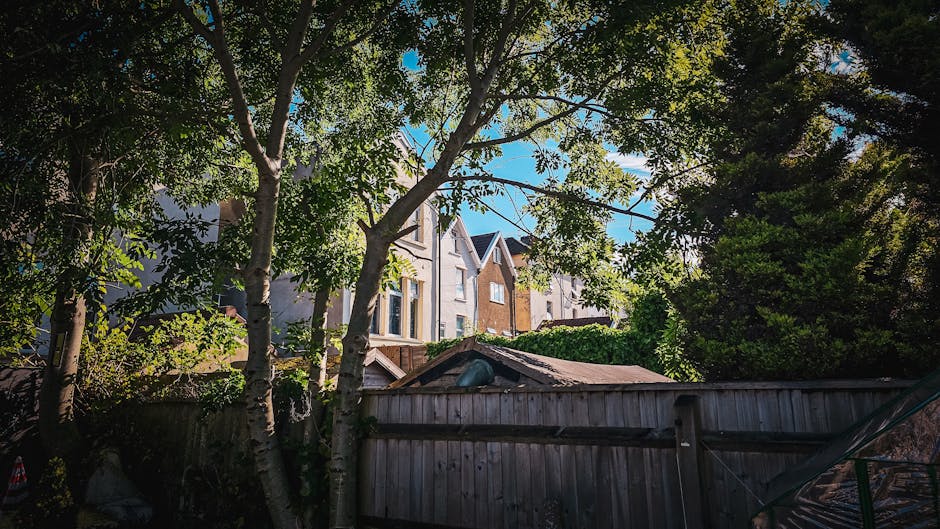
If you live near Lloyd Park, you probably already know the rhythm of the area. Front gardens are often compact, back gardens can be surprisingly generous, and the mix of older terraces, family homes, and newer conversions means no two plots feel the same. That is exactly why Expert gardeners for Lloyd Park homes in Walthamstow are worth considering: not just for a tidy-up, but for thoughtful garden care that fits the home, the light, the soil, and the way you actually use the space.
Good gardening here is rarely about a single "big fix". It is usually about getting the details right. A border that dries out fast in summer. A shady corner that never seems to settle. A lawn that gets patchy after a busy family season. Maybe a small courtyard that needs to feel calmer, greener, and easier to manage. To be fair, that is where experienced local gardeners earn their keep.
This guide explains what expert gardening support looks like around Lloyd Park, how the service works, what to expect, and how to choose the right help for your home. If you are weighing up maintenance, a redesign, or just a proper spring reset, you are in the right place.
Table of Contents
- Why Expert gardeners for Lloyd Park homes in Walthamstow Matters
- How Expert gardeners for Lloyd Park homes in Walthamstow Works
- Key Benefits and Practical Advantages
- Who This Is For and When It Makes Sense
- Step-by-Step Guidance
- Expert Tips for Better Results
- Common Mistakes to Avoid
- Tools, Resources and Recommendations
- Law, Compliance, Standards, or Best Practice
- Options, Methods, or Comparison Table
- Case Study or Real-World Example
- Practical Checklist
- Conclusion
- Frequently Asked Questions
Why Expert gardeners for Lloyd Park homes in Walthamstow Matters
Gardens around Lloyd Park often have a few things in common: changing light through the day, a mix of mature and young planting, and the reality of London living - limited time, busy schedules, and outdoor spaces that need to work hard. Expert gardeners understand that a beautiful garden is only useful if it is manageable. A lawn that looks fantastic but is a nightmare to maintain will quickly become a source of stress. Same with a flower bed that looks good for three weeks and then goes sprawling.
Local knowledge matters more than people sometimes expect. Soil in parts of Walthamstow can vary from plot to plot. Drainage can be patchy. Boundary conditions, shade from neighbouring trees, and the everyday wear from children, pets, bikes, and barbecues all affect what will thrive. Experienced gardeners do not just "plant things"; they read the site properly. That saves time, money, and a fair bit of disappointment.
It also matters because a well-kept garden adds something less obvious than kerb appeal. It changes how a home feels. A neat side return, a clipped hedge, a usable patio, or a border that still looks good in November can make daily life calmer. It sounds small until you live with it. Then it feels huge.
For homeowners comparing options, it can help to see how local services are structured. You may want regular maintenance, but you may also need one-off help with landscaping, planting design, or seasonal recovery. A good place to start is a local service overview like our gardening services, especially if you are trying to work out whether you need maintenance, restoration, or a more complete garden plan.
How Expert gardeners for Lloyd Park homes in Walthamstow Works
At its best, expert garden care is a straightforward process. A gardener visits, assesses the space, listens to what you want, and then builds a plan around your priorities. Simple enough. The difference is in the judgement: what to keep, what to cut back, what to replace, and what to leave alone for a season.
In practice, the work usually falls into a few stages:
- Initial assessment - The gardener looks at the garden's condition, size, light levels, drainage, and current planting.
- Goal setting - You discuss whether the garden needs ongoing care, a one-off tidy-up, planting help, or structural changes.
- Action plan - Tasks are grouped sensibly, so the work is efficient and nothing important is missed.
- Hands-on work - This may include pruning, mowing, weeding, edging, mulching, planting, hedge care, clearance, or soft landscaping.
- Aftercare and maintenance - Good gardeners explain what will need follow-up, what can wait, and how to keep the space looking decent between visits.
For homes close to Lloyd Park, one of the smartest parts of the process is seasonal planning. A garden can look brilliant in late spring and then struggle through heat, shade, or autumn leaf fall. Expert gardeners plan with those shifts in mind, which is especially useful if you want the space to stay attractive rather than just peak once a year.
It is also worth noting that many services are flexible. Some homeowners only need a monthly visit, while others want a full reset before listing a property, hosting an event, or reclaiming a neglected garden after a busy year. If you need a broader service approach, pages like landscaping support or hedge cutting and shaping can be useful next steps.
Key Benefits and Practical Advantages
Expert gardening is not just about neatness, although let's be honest, neatness does feel good. The real value is in making a garden work better over time. Here are the benefits that matter most to Lloyd Park homeowners.
- Better plant health: The right pruning, feeding, watering, and placement can make a huge difference to long-term growth.
- Less wasted effort: You avoid over-treating problems or repeatedly redoing the same jobs badly.
- More usable space: A garden becomes somewhere you can sit, play, eat, or relax without seeing a list of chores every time you look out the window.
- Improved kerb appeal: Smart front-garden care creates a better first impression, especially on streets where homes are close together.
- Seasonal resilience: Gardens that are planned well cope better with heat, wet weather, shade, and wind.
- Time saved: Regular maintenance prevents the familiar "I'll deal with it next weekend" spiral. We all know how that goes.
There is also a quieter benefit: confidence. When a garden is being cared for by someone who understands what they are doing, you stop second-guessing every cut, every planting choice, every patch of moss. That peace of mind is worth a lot.
For homeowners interested in the practical side of upkeep, it may help to compare routine maintenance with one-off improvement work. Maintenance keeps everything ticking over. Improvement work changes the overall feel. A good gardener can help with both, but it is usually best to separate them in your mind before the first visit.
Who This Is For and When It Makes Sense
This kind of service suits a wide range of Lloyd Park homeowners. Not everyone needs a full redesign, and not every garden needs weekly attention. Truth be told, many gardens just need the right amount of help at the right time.
You may benefit if you are:
- busy and want a reliable maintenance rhythm
- preparing a property for sale or rental
- moving into a home with an overgrown garden
- trying to make a small outdoor space feel bigger and easier to use
- dealing with patchy lawn, tired borders, or awkward shade
- looking for planting advice that suits a London garden rather than a glossy magazine ideal
- wanting a safer, tidier space for children or pets
There are also moments when professional help is simply sensible. After a long winter. Before summer gatherings. Following building work. After a period of neglect. Or when you have tried the DIY route and the garden still looks... a bit defeated. Happens more often than people admit.
If you need a deeper refresh, it can be useful to explore related services such as garden clearance for neglected spaces or professional planting support if your borders need structure and colour through the year.
Step-by-Step Guidance
If you are booking expert garden help for a Lloyd Park home, a clear process makes everything easier. Here is the most practical way to approach it.
- Walk the garden first
Look at the space at different times of day if you can. Where does the sun hit? Where does water sit after rain? Which areas bother you most? - List your priorities
Write down what matters most: tidiness, privacy, low maintenance, colour, wildlife, lawn recovery, or better entertaining space. - Decide what is realistic
It is tempting to ask for everything at once. Better to focus on the changes that will make the biggest difference first. - Ask about seasonality
Some jobs are best done in autumn, others in spring or early summer. A skilled gardener will explain this clearly rather than pushing work at the wrong time. - Request a simple plan
A good plan should say what will be done, roughly when, and what aftercare is needed. Nothing fancy. Just clear. - Agree on maintenance cadence
Weekly, fortnightly, monthly, or seasonal visits all make sense in different situations. The key is choosing a rhythm you can sustain. - Review after the first visit
Look at what changed and whether it matches your expectations. If something feels off, say so early. Small course corrections are easy.
One local gardener once described the process as "getting the garden to tell the truth about itself". A bit poetic, maybe, but not wrong. A good assessment shows what is thriving, what is struggling, and what is simply in the wrong place. Once that is clear, the rest becomes easier.
Expert Tips for Better Results
Small decisions make a surprisingly big difference in London gardens. Here are the kinds of practical tips experienced gardeners use all the time.
Work with the light you actually have
Do not force sun-loving plants into a shady front garden and hope for the best. It usually ends in disappointment. Choose planting for the conditions, not the catalogue picture.
Keep maintenance in mind from day one
A beautiful border that needs constant attention can become a burden. If your schedule is tight, choose structure, repetition, and hardy planting. Less drama, more reliability.
Use mulch properly
Mulch helps suppress weeds, hold moisture, and improve the look of beds. Applied well, it is one of the simplest ways to make a garden feel cared for. Applied badly, it can smother the wrong things or look messy. A skilled gardener will know the difference.
Prune for shape, not just size
It is easy to shorten a shrub. It is harder to make it look balanced and healthy afterwards. Good pruning supports structure and flowering, not just "less height".
Build in seasonal interest
A garden that only looks good in May is leaving value on the table. Mix textures, evergreens, and staggered flowering periods so the space has something going on all year.
And one more thing: do not underestimate how a tidy edge, a swept patio, or a properly clipped hedge can change the whole mood of a garden. Sometimes that is the difference between "we never use it" and "we were out there all evening".
Common Mistakes to Avoid
Most garden problems are not dramatic disasters. They are small mistakes repeated over time. The good news is that they are fixable.
- Choosing plants for looks alone: Attractive plants still need to suit the soil, shade, and exposure.
- Over-pruning at the wrong time: Some shrubs and trees resent heavy cuts if they are done carelessly or at the wrong season.
- Ignoring drainage: A wet patch is not just annoying; it can ruin roots and make a garden hard to use.
- Letting weeds set seed: A quick weeding job now can save hours later. Really, it can.
- Expecting instant results: Some improvements are immediate, but healthy gardens often improve gradually over a few seasons.
- Skipping maintenance after landscaping: New planting needs follow-up. Without it, even a good design can unravel.
Another common mistake is under-briefing the gardener. If there is a part of the garden you dislike, say so. If a tree needs preserving, mention it. If you want low maintenance because life is busy and you are not about to become a weekend horticulturist, that matters too. Be clear.
Tools, Resources and Recommendations
Professional gardeners rely on a mix of knowledge and the right kit. You do not need to own all the equipment yourself, but it helps to know what good work usually involves.
| Task | Useful tools or materials | What good practice looks like |
|---|---|---|
| Pruning and shaping | Secateurs, loppers, pruning saws | Clean cuts, correct timing, and sensible removal of dead or crossing growth |
| Weeding and bed care | Hand weeders, hoes, mulch | Removing weeds at root level and reducing regrowth with proper ground cover |
| Lawn care | Mowers, edging tools, aeration equipment | Consistent cutting height, neat edges, and seasonal recovery where needed |
| Planting | Quality compost, soil improvers, watering cans or hoses | Matching plants to conditions and giving them a realistic establishment period |
| Clearance | Bins, sacks, protective gloves, transport for green waste | Safe removal, tidy finish, and disposal handled responsibly |
As a homeowner, you do not need to become an expert in every tool. But it is useful to understand that quality gardening is not just about labour. It is about judgement, timing, and working neatly. A decent pair of secateurs can do a lot, sure. But knowing what not to cut is even more valuable.
For ongoing upkeep, many people pair gardener visits with seasonal tasks like hedge cutting, planting refreshes, or a pre-summer clean-up. If your garden has become hard to manage, a one-off clearance service can be the best reset point before moving into regular care.
Law, Compliance, Standards, or Best Practice
Garden work around homes is usually straightforward, but there are still sensible standards to follow. In the UK, reputable gardeners should work safely, respect neighbouring properties, and handle waste responsibly. If work involves ladders, power tools, or tree-related tasks, safe practice matters a lot. There is no glamour in shortcuts, and that is probably for the best.
For homeowners, the main things to keep in mind are:
- Waste disposal: Green waste should be handled appropriately, whether composted, removed, or disposed of through a proper channel.
- Neighbour considerations: Hedge cutting, overhanging growth, and access can affect nearby homes. A careful gardener works respectfully.
- Property boundaries: It is wise to be clear about what belongs to your garden and what does not, especially near shared fences or walls.
- Wildlife awareness: Nesting birds and habitat-sensitive areas may require pause or caution at certain times of year.
- Health and safety: Good practice means using the right equipment, keeping work areas tidy, and avoiding unnecessary risk.
For anything more complex - such as tree work, major landscaping near drainage, or work close to shared structures - it is sensible to ask specific questions before the job begins. That is not being difficult. That is being sensible.
Options, Methods, or Comparison Table
Different gardens need different levels of support. The table below gives a simple way to think about the main options.
| Service type | Best for | Typical outcome | Things to watch |
|---|---|---|---|
| Regular maintenance | Busy homeowners who want a consistently tidy garden | Cleaner beds, healthier plants, fewer seasonal surprises | Needs a realistic schedule and clear priorities |
| One-off tidy-up | Overgrown or neglected gardens | Quick visual improvement and a usable baseline | May need follow-up to keep the space under control |
| Planting and soft landscaping | Homeowners wanting a more attractive or functional layout | Better structure, colour, and year-round interest | Success depends on site conditions and aftercare |
| Problem-solving visit | Gardens with shade, drainage, or recurring plant failure | Targeted improvements and practical recommendations | Requires honest discussion about limits and budget |
If you are unsure which route fits your home, start with the problem rather than the service label. Are you trying to save time? Improve appearance? Restore a tired space? The answer usually points to the right approach.
Case Study or Real-World Example
Consider a typical Lloyd Park home with a modest back garden, mature shrubs near the rear fence, and a lawn that has become thin from shade and foot traffic. The owners want the garden to feel usable again, but they do not want a full redesign. Fair enough.
The first step is usually to clear the obvious clutter, cut back overgrowth, and assess what is actually worth keeping. In one corner, a shrub may be blocking light but still be healthy enough to reshape. Along the fence, a tired bed might benefit from mulching and a few shade-tolerant plants rather than a complete rebuild. The lawn may not need replacing, just aeration, feeding, and a more realistic mowing routine.
The result is not always a dramatic before-and-after for social media. Sometimes it is quieter than that. More light. A better flow from the house to the patio. Easier mowing. Less weeding. And, a few weeks later, the family starts sitting outside more often because the space finally feels calm instead of nagging.
Expert gardening is often about removing friction. When the garden stops fighting you, it becomes part of everyday life again.
That is especially true in London gardens, where every square metre needs to earn its keep. A good local gardener knows that the goal is not perfection. It is a space that looks good, works hard, and still feels like yours.
Practical Checklist
Use this checklist before booking or planning work for your Lloyd Park garden.
- Decide whether you need maintenance, clearance, planting, or a mix of services
- Note the main pain points: shade, weeds, poor drainage, tired lawn, overgrowth, or lack of privacy
- Walk the garden and identify anything you want preserved
- Think about how you actually use the space day to day
- Set a realistic budget range and timeline
- Ask how the gardener handles waste removal and aftercare
- Check whether the work needs to be seasonal or can be done immediately
- Agree on maintenance frequency if regular visits are needed
- Make sure communication is clear before work starts
- Review the result and keep notes on what worked well
A small bit of preparation makes the whole process smoother. Not fancy, just practical. And that tends to pay off.
Conclusion
Expert gardeners for Lloyd Park homes in Walthamstow bring more than tools and tidy finishes. They bring local understanding, seasonal judgement, and the kind of steady practical help that makes a garden feel easier to live with. Whether your space needs regular maintenance, a thoughtful planting refresh, or a proper reset after being left too long, the right support can change how the whole home feels.
The best outcome is not just a prettier garden, although that is nice. It is a garden that fits your life, your time, and the character of your property. That is the real win.
If you are ready to move from "we should really do something about the garden" to a clear plan, start with a conversation, share what matters most, and choose a service that matches the space you have. The right help tends to make itself obvious once the work begins. One tidy step at a time.
Get a free quote today and see how much you can save.
Frequently Asked Questions
What do expert gardeners for Lloyd Park homes in Walthamstow usually do?
They typically handle garden maintenance, pruning, lawn care, weeding, planting, hedge cutting, tidy-ups, and sometimes soft landscaping. The exact service depends on the condition of your garden and what you want to achieve.
How often should a garden near Lloyd Park be maintained?
It depends on the size of the garden, the planting, and how much use it gets. Some homes do well with monthly visits, while others need seasonal work plus occasional tidy-ups. Busy households often benefit from a regular rhythm.
Is a one-off garden tidy-up enough?
Sometimes, yes. If the garden is mainly overgrown or cluttered, one good visit can reset it. If the space has ongoing issues such as poor drainage, weak planting, or constant weeds, follow-up visits are usually worth it.
Can gardeners help with small London gardens as well as larger ones?
Absolutely. In fact, smaller gardens often benefit even more from expert help because every corner matters. Good design and careful maintenance can make a compact space feel much bigger and far more usable.
What should I ask before hiring a gardener?
Ask what services are included, how waste is handled, whether aftercare is provided, and whether they understand the specific conditions in your garden. It also helps to ask about timing, especially for pruning or planting work.
Do expert gardeners bring their own tools?
Usually, yes. Professional gardeners normally bring the tools needed for the job, although larger projects may require specialist equipment or additional materials. It is always worth confirming this in advance.
Can a gardener improve poor soil or drainage?
They can often improve the situation with soil conditioning, mulching, planting choices, and practical advice. Serious drainage problems may need a more specialised solution, but a skilled gardener can help identify the right next step.
Are there best times of year for gardening work in Walthamstow?
Yes. Many pruning, planting, and clean-up jobs are seasonal. Spring and autumn are often busy periods, while summer is good for maintenance and winter can be useful for structural work, depending on the task.
What if my garden has become badly overgrown?
That is more common than people think. Start with a clearance or reduction visit, then agree on a maintenance plan so the garden does not slide back again. A staged approach is usually more sensible than trying to fix everything in one go.
Will expert gardeners make my garden low maintenance?
They can certainly move you in that direction by simplifying planting, improving structure, and choosing suitable materials. No garden is completely maintenance-free, but a well-planned one should be much easier to live with.
How do I know if I need landscaping rather than simple maintenance?
If the garden has layout problems, poor drainage, unusable areas, or a design that no longer fits how you live, landscaping may be the better option. If the space is basically fine but needs regular care, maintenance is probably enough.
Are local gardeners useful for preparing a property for sale?
Yes. A neat, healthy-looking garden can improve first impressions and help the property feel cared for. Usually, the aim is not dramatic redesign but clean presentation, healthy borders, and a sensible level of tidiness.
What is the simplest way to get started?
Start by identifying the main problem in the garden and deciding whether you need a one-off visit or ongoing help. Then ask for a clear quote and a plan that matches your priorities. Simple is good. Simple tends to work.